
- Created: 14 November 2013
- Updated: 15 March 2016
- Published: 14 November 2013
- Hits: 4200
Native plants seeded in Roanoke Park, fall/winter 2013
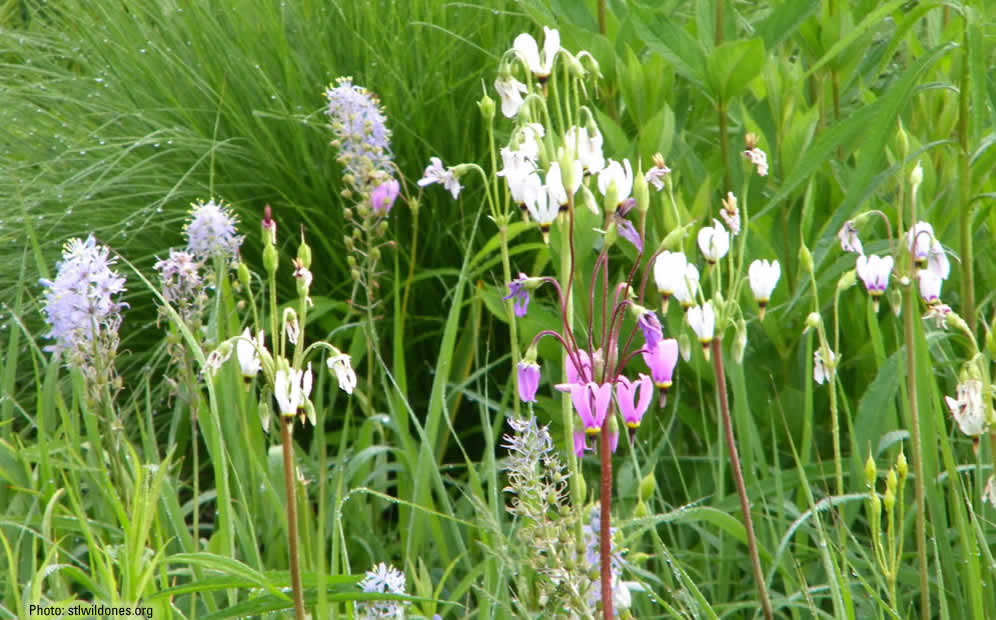 This photo shows Wild Hyacinth and Shooting Star, part of our seed mix. Click for a blowup.
Fewer foreign Invasive Species + More Natives = a Beautiful Nature Escape in Roanoke Park.
We have to Make It Happen.
The park has some areas left too bare after removal of shrub honeysuckle. So we're all about getting some good natives growing instead!
The Roanoke Park Conservancy and generous neighbors bought nearly $500 worth of Missouri Native Seeds for this effort. Additionally, several hundred dollars worth of other seeds have been collected locally.
Part-Shade Grasses
Canada Wildrye, Virginia Wildrye, Silky Wildrye, Broomsedge, River Oats, Purpletop, Poverty Oatgrass, Sideoats Grama.
Part-Shade Wildflowers
Dwarf Larkspur, Ohio Spiderwort, Wild Hyacinth, Thimbleweed, Starry Campion, Elephant's Foot, Elm-Leaf Goldenrod, Squaw Weed, Red Columbine, Jumpseed, Sky Blue Aster, White Beardtongue, Woodland Bergamot, Common Black-eyed Susan, Gray-headed Coneflower, Plains and Tickseed Coreopsis, Gray and Savanna Goldenrod, Leadplant, Slender Lespedeza, Partridge Pea, Purple Prairie Clover, Wild Quinine, Rattlesnake Master, Sampson’s Snakeroot, Sensitive Brier, Shooting Star, Downy Skullcap, Slender Mtn. Mint, Ox-eye Sunflower, Rose Verbena, and Yellow Wingstem.
Full Sun Wildflowers
Wild Garlic, Aromatic Aster, Blue Wild Indigo, Purple Poppy Mallow, Indian Paintbrush, New Jersey Tea, Large-flowered Coreopisis, Lanceleaf Coreopsis, Plains Coreopsis, Prairie Clover Mix, Pale-purple Coneflower, Yellow Coneflower, Rattlesnake Master, Rose Verbena Gum Weed , Western Sunflower, Bottlebrush Blazing Star, Prairie Blazing Star, Agave, False Aloe, Barbara’s Buttons, Missouri Primrose, Small palafox, Purple Beardtongue, Foxglove Beardtongue, Pale Beardtongue, Prairie Cinquefoil, Slender Mountain Mint, Gray-headed Coneflower, Black-eyed Susan, Missouri Coneflower, Blue Sage, Showy Goldenrod, Goats Rue.
- Created: 14 April 2013
- Updated: 15 March 2016
- Published: 14 April 2013
- Hits: 6017
24 helpers came out on Sunday May 5th and the previous week to plant 131 Trees and Shrubs
Many thanks to all the helpers, including four kids. Actual kid's quote: "Planting trees is fun!"
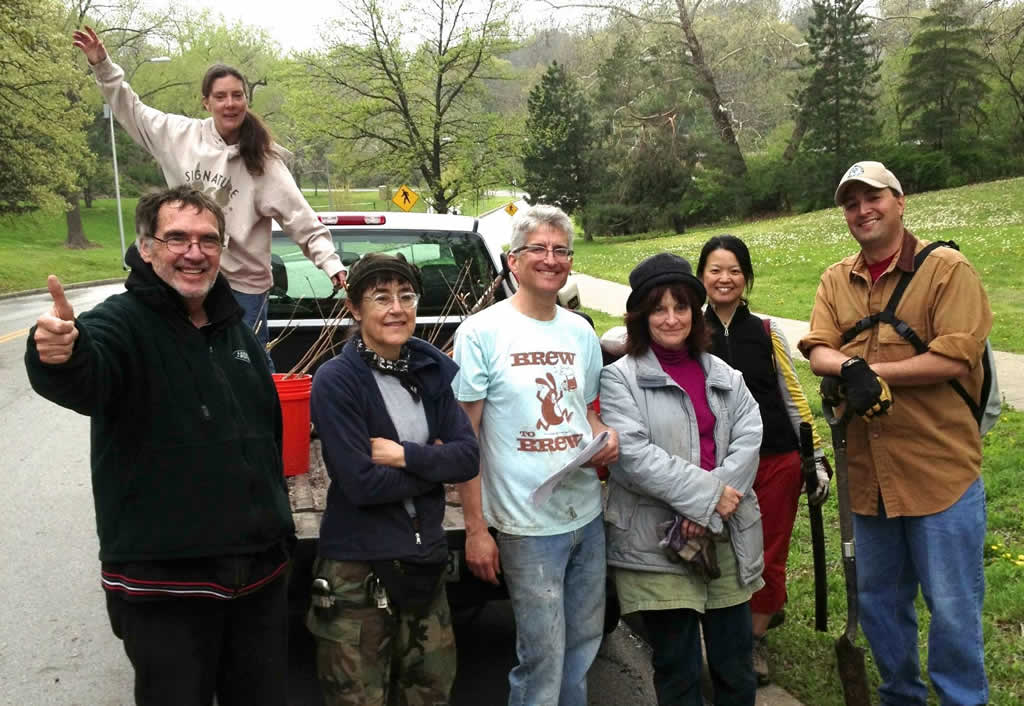 Part of the crew on May 5th 2013. Some had already left and some had yet to arrive.Native trees and shrub seedlings were donated to Roanoke Park by the Missouri Department of Conservation. One of the species (persimmon) wasn't looking healthy on planting day so we skipped those. After all the solid efforts, only nine of the donated trees remained unplanted. 131 got planted. See the planting plan of their locations (168kb pdf).
The seedlings are scattered in the park and marked with yellow flags. Feel free to water if they look like they need it or pull weeds from around them. We'll be trying to get mulch moved around most of them and may visit with a watering truck if we hit a dry spell.
Thanks to: Melissa Koch, Nancy Harrington, Paul Pearce, Andrew Ellis, Brett Shoffner and two more park fans on April 27th, Scott Burnett, Randy Moore, Carrie McDonald, Isabel Tamayo, Pam Gilford, Alan Steinlage, Frank Messer, Bob Ellis and two of his granddaughters, Matthew Browning and two kids, Andy Tann and friend, Curt Watkins and Chris DeLong.
- Created: 01 November 2012
- Updated: 15 March 2016
- Published: 31 October 2012
- Hits: 4887
Beautiful native grasses and wildflowers were seeded in the park Nov. 10th, 2012:
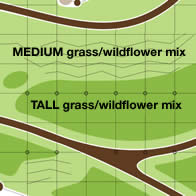 Volker Slope - (PDF Plan: 464k) Across from the Westport-Roanoke Community Center at the bend of Roanoke Drive. A mix of tall and short prairie grasses mixed with 21 species of wildflowers will add lots of color to this visible sunny location.
- Valentine Slope - (PDF Plan: 514k) Backing up to SW Trafficway at the curve of Madison/36th. A mix of shade tolerant native grasses edged with sunnier grasses and wildflowers will help restore this area.
- Roanoke Drive Point - At the hairpin turn of Roanoke Drive. With the invasives mostly out of the way, this spot is sunny and will make a nice rocky glade area.
PLEASE STAY OFF THE SEEDED AREAS.
Please do not allow kids to "rock climb" across from the community center. The rocks and soil are unstable and the seed we spread can be easily eroded downhill. Stay on the trail.
See the linked pdfs above for maps and plans for the Volker and Valentine slopes.
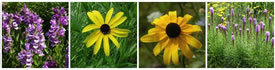
Click above to see a facebook gallery of most of the wildflowers in the seed mix we're using.
More Articles ...
Subcategories
- Article Count:
- 3
Roanoke Park News & Events

TRAIL INFO
Trail Maps, in various formats:
Roanoke_Park_Trails.pdf (417 kb).
Roanoke Park Trees and Trails Google Map
"Roanoke Park Tour" on MTBProject.com
To avoid damaging trails, check Trail Status before biking or hiking off road. ("Rozarks" = Roanoke Park's 2.5 miles plus Rosedale's 3.5 miles.)
Contact the Westport-Roanoke Community Center to find out about their facilities or inquire about reserving spaces.